The rise of sustainable fashion has become a significant topic worldwide, influencing industries, consumers, and governments alike. In Romania, this shift towards ethically produced and environmentally friendly apparel is gaining traction. However, the challenge remains to distinguish genuine advancements from misleading green marketing tactics, often referred to as greenwashing. This article explores the current state of sustainable fashion in Romania, how progress is measured, and ways to avoid deceptive claims.
Development of the Sustainable Fashion Sector in Romania
Romania’s apparel industry has traditionally been characterized by fast fashion and mass production. Recently, several local designers and brands have begun to incorporate sustainable practices. These efforts include sourcing organic or recycled materials, minimizing waste during production, and improving working conditions. While the market share of sustainable fashion remains relatively small, awareness among Romanian consumers is rising, partly driven by international environmental campaigns and local initiatives promoting eco-conscious living.
Key Indicators of Real Progress in Sustainable Fashion
Authentic progress in sustainable fashion can be identified through a few concrete indicators. First, transparent supply chains offer consumers insight into how and where garments are produced, including labor practices and environmental impact. Brands publishing sustainability reports verified by independent organizations demonstrate a commitment to accountability. Additionally, the adoption of certifications such as Global Organic Textile Standard (GOTS) or Fair Trade can serve as reliable signals of sustainability. In Romania, an increasing number of brands are working with international partners to align with such standards, moving beyond mere marketing rhetoric.
Common Forms of Greenwashing in the Romanian Fashion Market
Despite growing interest, Romania is not immune to greenwashing, where companies exaggerate or falsify their environmental efforts. Examples include vague claims like “eco-friendly” without evidence, using images of nature to imply sustainability, or promoting a single sustainable product while the majority of their offerings follow conventional, polluting methods. Such practices can confuse consumers and undermine the progress of truly sustainable initiatives. Recognizing these tactics requires vigilance, and consumers should seek verifiable information about materials, processes, and certifications.
Consumer Role in Promoting Genuine Sustainable Fashion
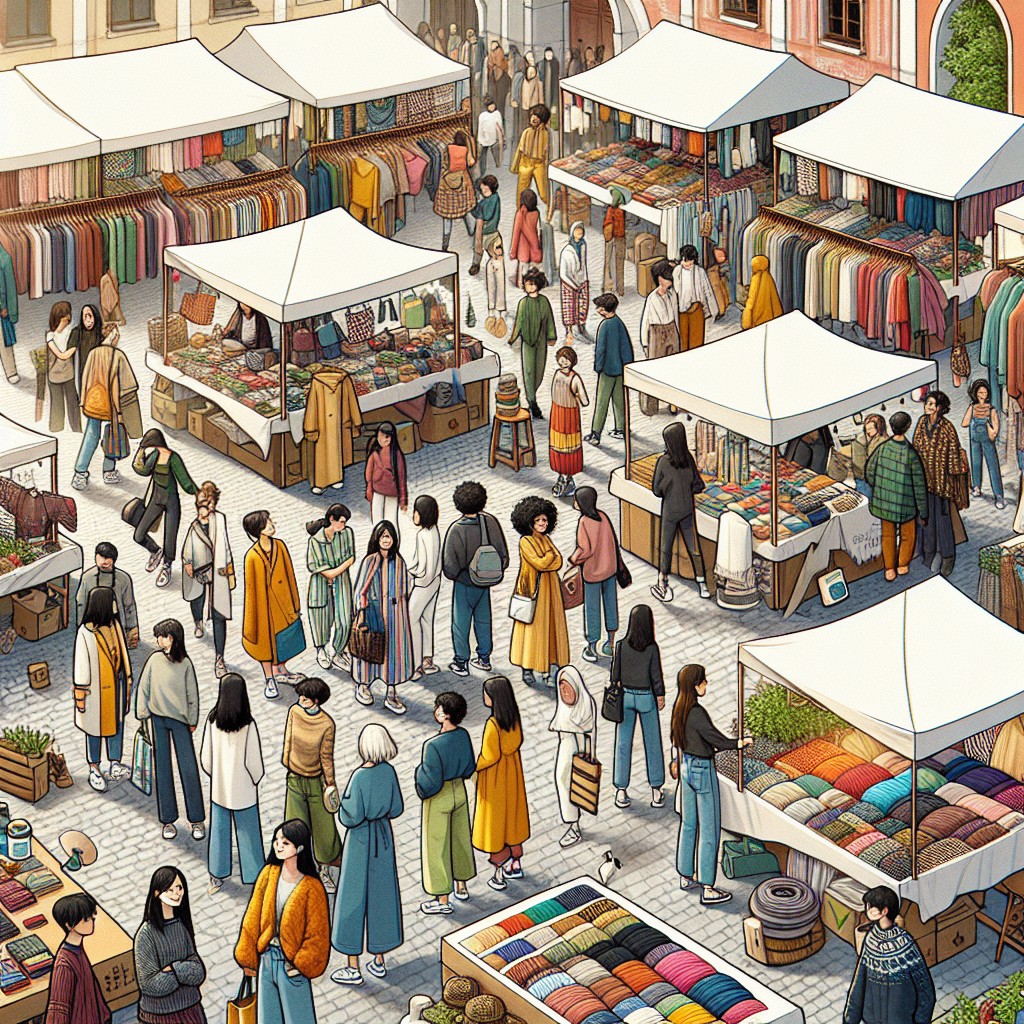
Consumers in Romania play a vital role in shaping the fashion industry by demanding transparency and supporting brands committed to sustainability. Educating oneself about global standards and local sustainable fashion initiatives helps in making informed purchases. Online platforms and social media can be strong allies for identifying honest brands and exposing greenwashing. Romanian consumers increasingly attend sustainable fashion fairs and participate in clothing swaps, reducing waste and encouraging a circular approach. Their choices influence production patterns and drive market demand toward sustainability.
Governmental and Industry Initiatives Encouraging Sustainability
The Romanian government and various industry bodies have begun integrating sustainability into policy and practice. Environmental regulations addressing waste management and pollution affect textile manufacturing processes. Moreover, funding programs and partnerships with international organizations support local businesses adopting sustainable methods. Collaboration between public institutions and private entities aims to build infrastructure for recycling and upcycling textiles. These collective efforts create an environment conducive to expanding sustainable fashion practices, though challenges remain in enforcement and awareness.
Conclusion
Sustainable fashion in Romania is an evolving field marked by meaningful progress as well as challenges related to greenwashing. The presence of transparent supply chains, verified certifications, and consumer activism illustrates genuine advancement. However, misleading marketing persists, requiring careful scrutiny from consumers and stakeholders. With increasing government engagement and rising public interest, the trajectory points toward a more sustainable fashion ecosystem in Romania. Continued education and accountability will be essential in ensuring that real progress prevails over superficial claims.
Frequently Asked Questions about sustainable fashion
What defines sustainable fashion in the Romanian context?
Sustainable fashion in Romania involves production methods that reduce environmental impact, utilize ethical labor practices, and often employ certified organic or recycled materials within the local market.
How can consumers identify greenwashing in Romanian fashion brands?
Consumers can spot greenwashing by looking for vague claims without evidence, missing certifications, lack of supply chain transparency, and inconsistencies between marketing messages and actual product practices.
Are there any local certifications for sustainable fashion in Romania?
While Romania primarily relies on international certifications like GOTS or Fair Trade, some local initiatives promote sustainability standards and encourage brands to adopt transparent and environmentally responsible practices.
What role does the Romanian government play in promoting sustainable fashion?
The government supports sustainable fashion by enforcing environmental regulations, facilitating funding for eco-friendly businesses, and collaborating with international organizations to improve industry practices.
How important is consumer behavior to the growth of sustainable fashion in Romania?
Consumer demand is crucial; increased awareness and preference for sustainable fashion encourage brands to adopt responsible production methods and discourage greenwashing through informed purchasing decisions.