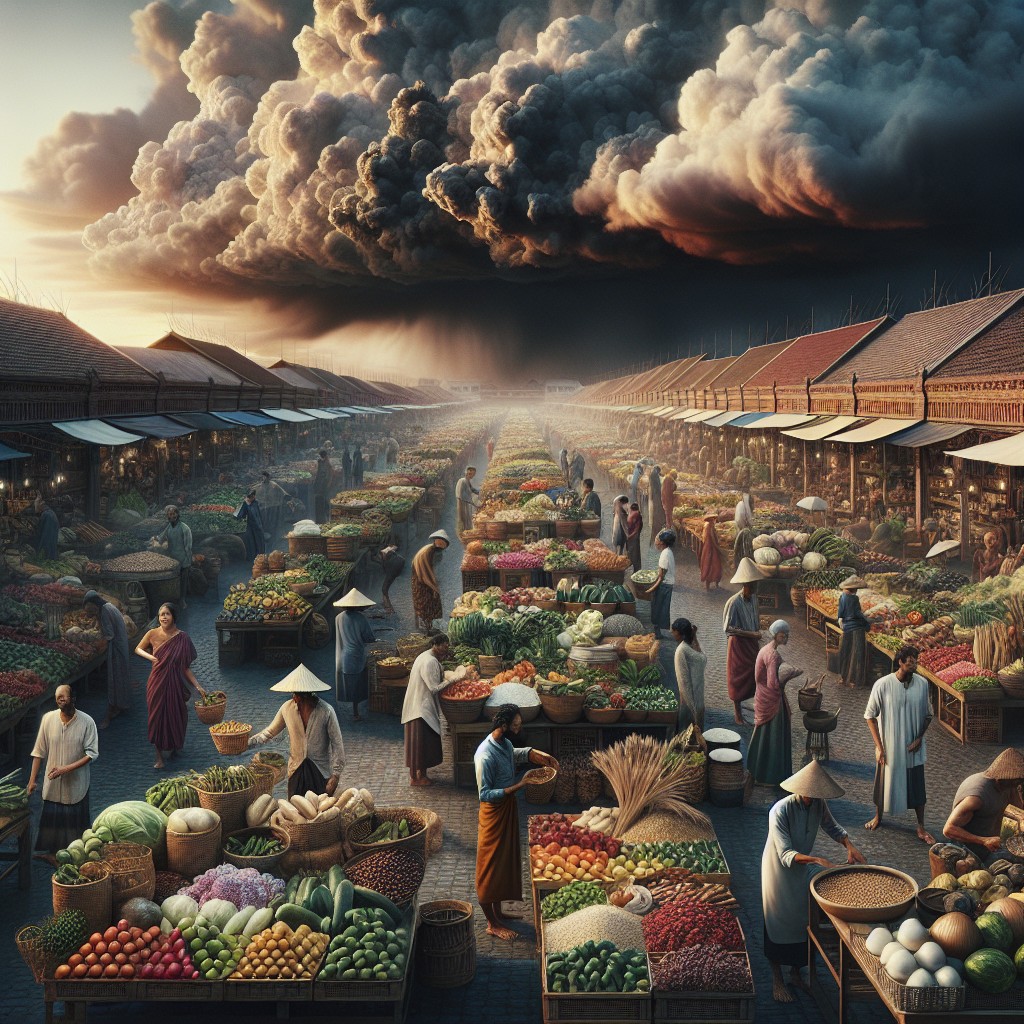
Food price volatility has become a significant concern for economies worldwide as climate extremes increasingly impact agricultural supply chains. Fluctuations in food prices not only affect consumers but also destabilize markets, making it crucial to understand the relationship between climate events and food supply disruptions.
Understanding Food Volatility and Its Drivers
Food volatility refers to sharp and unpredictable changes in food prices over short periods. These fluctuations are influenced by a complex interplay of factors, including demand shifts, policy changes, and notably, supply-side disturbances caused by climate extremes such as drought, floods, and storms. Such events can reduce crop yields, disrupt transportation routes, and affect the overall availability of food commodities.
Climate Extremes Impacting Agricultural Supply
Recent studies and reports have highlighted that prolonged droughts in regions like East Africa and parts of South Asia have led to significant declines in staple crop production. Similarly, floods in Southeast Asia and storm events in the Americas have destroyed harvests and disrupted storage and distribution infrastructures. These climate-induced supply challenges directly contribute to food volatility by reducing the quantity and quality of food products entering the market.
Effects on Global and Local Markets
The impact of climate-driven supply shocks extends beyond immediate production areas, influencing global food markets. Reduced supply often leads to higher prices, disproportionately affecting low-income populations. Import-dependent countries are especially vulnerable as they have limited ability to buffer food shortages. Moreover, food volatility complicates economic planning for both producers and consumers, increasing uncertainty in food security policies.
Mitigation Strategies Against Food Volatility
Efforts to reduce the negative effects of climate extremes on food volatility include investing in climate-resilient agriculture, improving supply chain infrastructure, and enhancing market transparency. Governments and international organizations advocate for diversified cropping systems and improved water management to mitigate risks. Additionally, enhanced data collection and early warning systems help stakeholders respond promptly to emerging supply disruptions, stabilizing prices.
The Role of Policy and International Cooperation
Addressing food volatility necessitates coordinated policy responses at national and international levels. Trade policies that promote open markets and reduce export restrictions can alleviate supply pressures. International collaboration fosters information sharing and financial support for vulnerable regions facing severe climate impacts. Such policies are essential to building resilient food systems capable of withstanding future climate uncertainties.
In conclusion, food volatility driven by climate extremes poses a complex challenge affecting global agriculture and economies. While climate variability is expected to continue, proactive adaptation and cooperation can mitigate its disruptive effects. Strengthening resilience in food supply chains remains critical to ensuring stable food prices and safeguarding food security worldwide.
Frequently Asked Questions about food volatility
What is food volatility and why does it matter?
Food volatility refers to rapid and unpredictable changes in food prices, which can affect affordability and food security for populations globally.
How do climate extremes contribute to food volatility?
Climate extremes like droughts, floods, and storms disrupt crop production and supply chains, leading to reduced availability and increased uncertainty in food prices.
Can food volatility caused by climate change be predicted?
While specific events are difficult to predict, improved climate monitoring and early warning systems enhance anticipation of supply risks that contribute to food volatility.
What measures help reduce the impact of food volatility?
Investing in climate-resilient agriculture, improving infrastructure, adopting diverse crops, and fostering international cooperation are key to mitigating food volatility.
Who is most affected by food volatility?
Low-income consumers and import-dependent countries typically face the greatest challenges from food volatility due to limited access to affordable and stable food supplies.