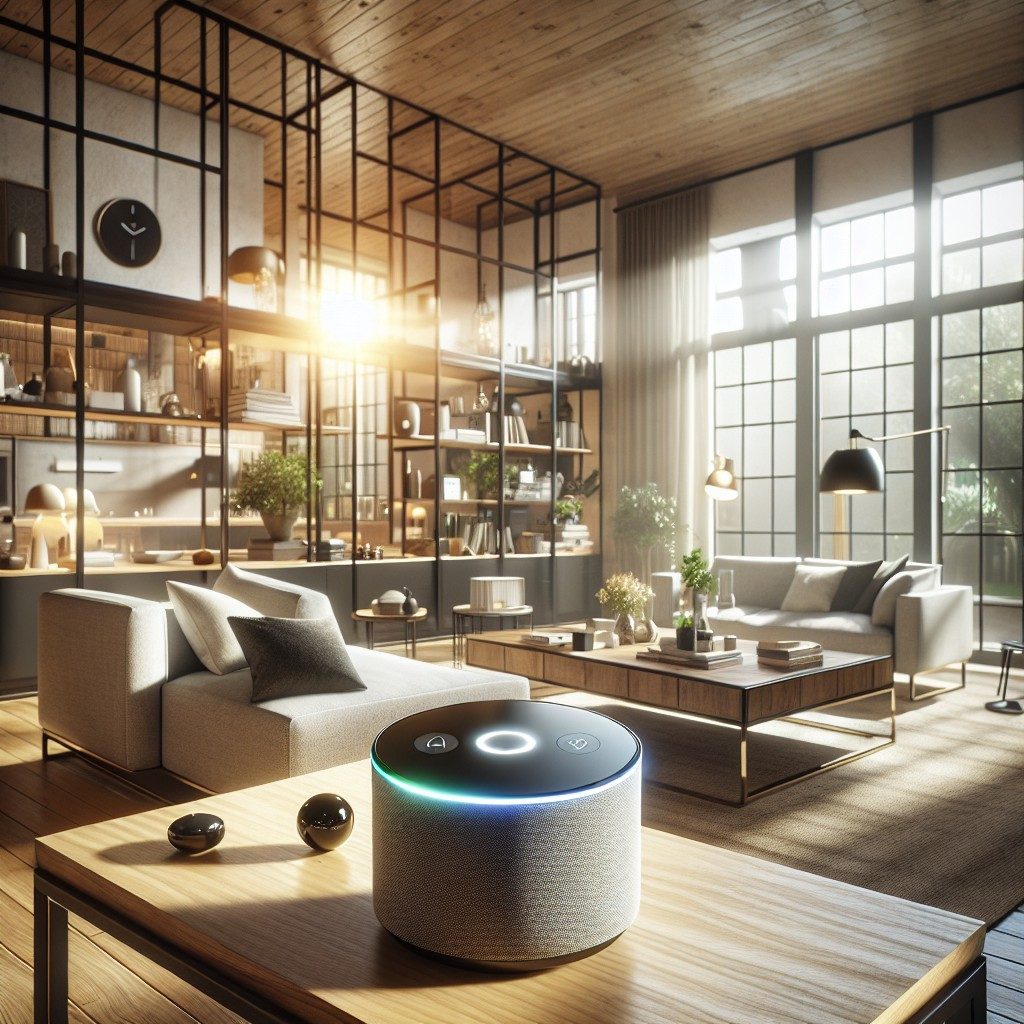
As the adoption of smart homes gains momentum worldwide, Romania is witnessing a steady interest in home automation technologies. Homeowners seek convenience, security, and energy efficiency, yet not all smart home features provide equal value. Navigating the landscape of available devices and systems is essential for making informed investments that suit local needs and infrastructure.
The rise of smart homes in Romania
In recent years, Romania has seen a gradual increase in the deployment of smart home technologies, driven by the expansion of internet connectivity and the affordability of connected devices. Urban centers such as Bucharest, Cluj-Napoca, and Timișoara are leading this trend, with consumers looking to improve daily living through automation. The integration of smart thermostats, lighting controls, and security systems aligns with growing environmental awareness and concerns about household safety.
Features worth investing in
Among the smart home features currently popular in Romania, smart security systems stand out for providing tangible benefits. These solutions often include remotely controllable cameras, motion detectors, and door sensors that enhance property protection, especially in areas where homeowners seek increased surveillance. Smart thermostats have also gained traction, offering remote temperature management that contributes to energy savings amid rising utility costs. Another worthwhile investment is smart lighting systems, which can be programmed or adjusted remotely to improve convenience and reduce electricity usage.
Features to reconsider or skip
Despite the buzz around numerous smart home gadgets, certain features may not offer significant advantages in the Romanian context. For instance, advanced smart kitchen appliances still have limited user adoption due to their high cost and the preference for traditional cooking methods. Similarly, some voice assistant devices face language compatibility challenges, limiting their efficiency for Romanian-speaking users. Additionally, complex home automation hubs can be expensive and difficult to maintain without local technical support. Prospective buyers should weigh these factors carefully before committing to such systems.
Integration challenges and connectivity issues
One of the primary challenges faced by smart home enthusiasts in Romania involves ensuring reliable internet connectivity. Rural and suburban areas often experience inconsistent broadband coverage, which can undermine the effectiveness of connected devices. Furthermore, interoperability between various brands and platforms remains an issue, making it important for consumers to select smart home products that support common standards and protocols. Lack of local support services for troubleshooting can also impact user experience negatively.
Cost considerations and market outlook
The cost of implementing smart home technologies in Romania varies widely depending on the level of automation and the quality of equipment selected. Entry-level devices are becoming more accessible, but comprehensive systems still represent a considerable investment. Industry analysts predict steady growth in demand for smart homes driven by technological improvements and a generation more familiar with digital tools. However, economic factors and market readiness will influence the pace at which Romanian households embrace full smart home integration.
Conclusion
Smart homes in Romania offer multiple advantages, primarily through security enhancements and energy management features that bring immediate practical benefits. However, consumers should approach certain emerging technologies cautiously, given compatibility and cost concerns. Reliable internet access and local service availability remain crucial factors for successful adoption. As Romanian infrastructure and market maturity improve, it is expected that smart homes will become a more widespread and integral part of residential living throughout the country.
Frequently Asked Questions about smart homes
What are the most reliable smart homes features for Romanian users?
Smart security systems, smart thermostats, and lighting control are considered among the most reliable features due to their clear impact on safety and energy efficiency, suitable to local needs.
How does internet connectivity affect smart homes in Romania?
Stable and fast internet connectivity is essential for smart homes to function effectively, but many parts of Romania experience variable broadband quality, which can limit device performance.
Is investing in advanced smart kitchen appliances worthwhile in Romania?
Currently, advanced smart kitchen appliances may not be worth the investment for most Romanian households due to high costs and limited use cases compared to traditional alternatives.
Are voice assistants fully compatible with the Romanian language in smart homes?
Voice assistants often face limitations in fully supporting the Romanian language, which can reduce their efficiency and appeal for smart homes in the region.
What should Romanian consumers consider when choosing smart homes devices?
Consumers should consider device interoperability, local availability of technical support, internet connectivity, and the specific benefits versus costs associated with smart homes features relevant to their lifestyle.