As climate change drives more frequent and intense heatwaves worldwide, urban areas face mounting challenges to protect residents and infrastructure. Cities must implement design choices that enhance heatwave resilience to reduce peak risks associated with extreme heat events.
Urban Green Spaces Mitigate Heat Stress
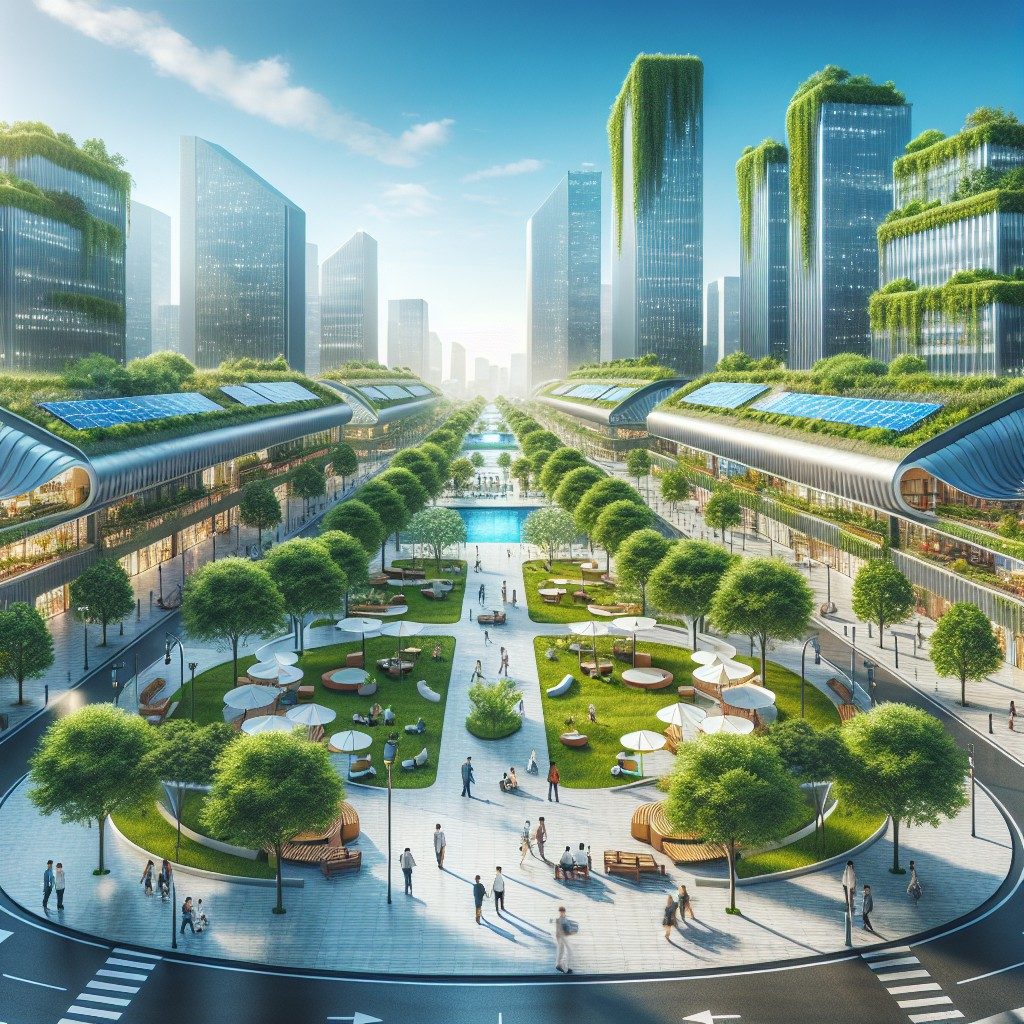
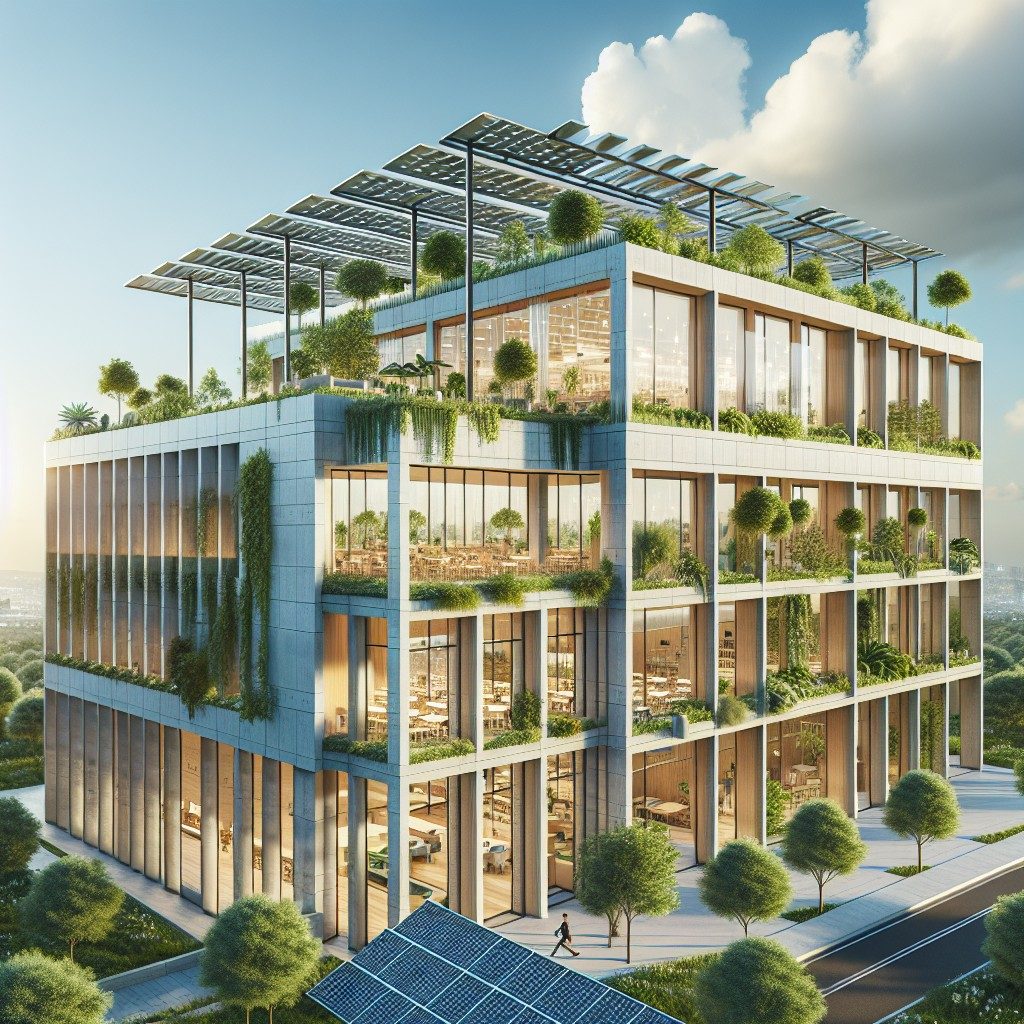
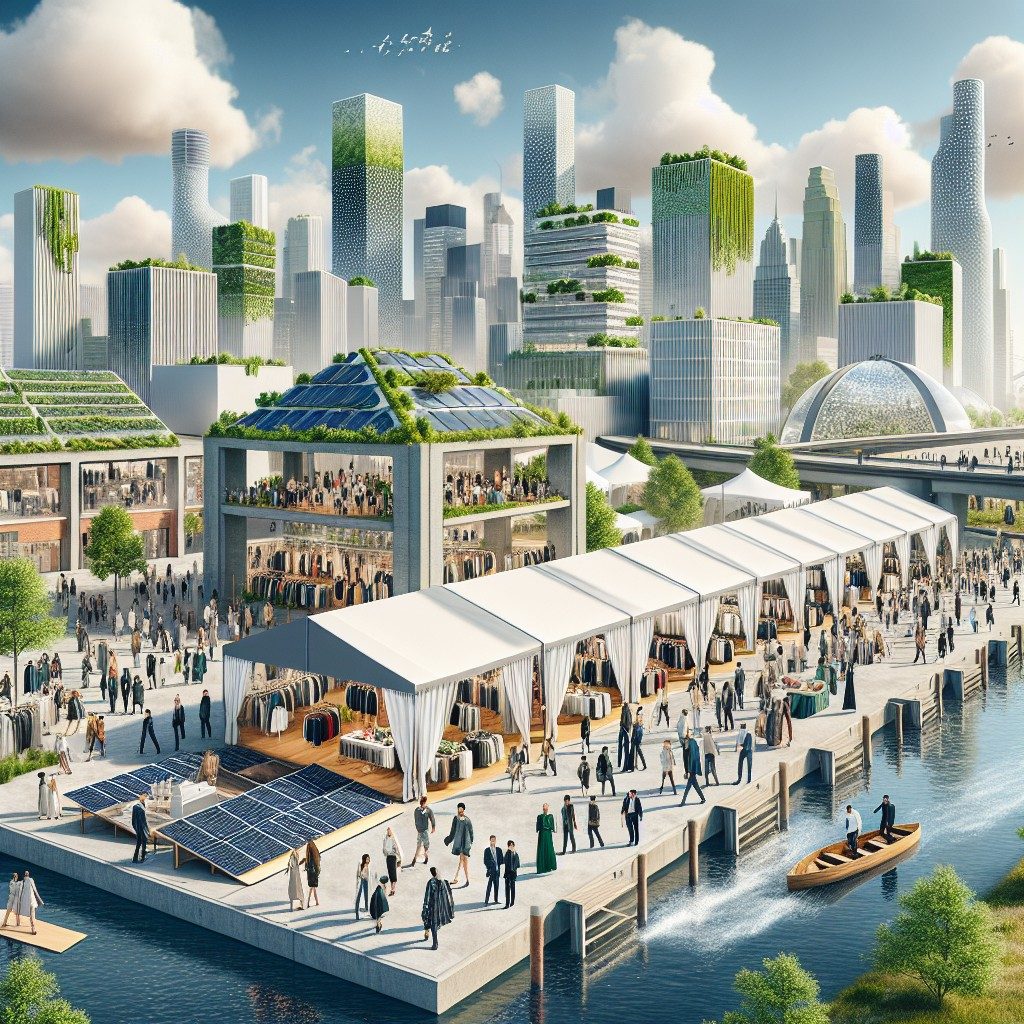
One of the most effective strategies for boosting heatwave resilience in cities involves expanding and maintaining urban green spaces. Parks, street trees, and green roofs not only provide shade but also lower surrounding air temperatures through evapotranspiration. Studies have shown that areas with abundant vegetation can experience temperature reductions of up to 5°C compared to built-up surroundings during heatwaves. These cooler zones help limit heat exposure for vulnerable populations and reduce demand on energy systems by lowering the need for air conditioning.
Building Materials and Reflective Surfaces
Choice of construction materials plays a crucial role in urban heat management. Traditional dark asphalt and concrete absorb and retain heat, contributing to the urban heat island effect. Incorporating reflective or light-colored building materials can deflect a significant portion of solar radiation, decreasing ambient temperatures. Innovations such as cool roofs and permeable pavements allow cities to enhance heatwave resilience by reducing heat accumulation on streets and rooftops, mitigating peak temperature spikes during summer.
Water Features and Urban Cooling
Water elements like fountains, ponds, and artificial streams provide localized cooling effects essential for heatwave resilience. Water features cool the air through evaporation, directly lowering temperatures in their vicinity. Integrating such elements into urban planning creates microclimates that offer relief during extreme heat conditions. Additionally, stormwater management systems designed to retain and circulate water can serve dual purposes by preventing flooding and contributing to temperature regulation.
Infrastructure Adapted to High Temperatures
Heatwave resilience requires that critical infrastructure withstand prolonged high temperatures without failure. Roads, bridges, and electrical grids must be designed or retrofitted to operate reliably under thermal stress. For example, thermally stable materials in transport networks prevent deformations, while enhanced insulation and heat-resistant components in power systems reduce outages caused by overheating. Urban planners also prioritize shaded pedestrian pathways and cooling centers to safeguard public health during heatwaves.
Equitable Urban Design Enhances Community Safety
Heat impacts are often unevenly distributed, disproportionately affecting low-income and marginalized populations. Effective heatwave resilience incorporates equitable design, ensuring that cooling resources and protective urban features are accessible to all neighborhoods. Policies targeting vulnerable areas for green infrastructure investment and heat mitigation help reduce health disparities exacerbated by extreme heat. Community engagement and data-driven planning further support the development of inclusive strategies that protect the most at-risk residents.
Building heatwave-ready cities requires an integrated approach combining vegetation, materials, water management, resilient infrastructure, and social equity. With rising global temperatures, urban areas that adopt these design choices can anticipate reduced peak risks, safeguarding public health and maintaining functionality during future heat events.
Frequently Asked Questions about heatwave resilience
What is heatwave resilience in urban planning?
Heatwave resilience in urban planning refers to the strategies and design choices implemented to help cities withstand and reduce the adverse effects of extreme heat events, protecting both people and infrastructure.
How do green spaces contribute to heatwave resilience?
Green spaces improve heatwave resilience by cooling surrounding areas through shade and evapotranspiration, reducing ambient temperatures and mitigating the urban heat island effect.
Can building materials influence a city’s heatwave resilience?
Yes, using reflective and light-colored building materials helps increase heatwave resilience by decreasing heat absorption and subsequently lowering urban temperatures.
Why is equitable urban design important for heatwave resilience?
Equitable urban design ensures that vulnerable communities have access to cooling resources and infrastructure improvements, which is essential for comprehensive heatwave resilience.
What role does water management play in heatwave resilience?
Water management supports heatwave resilience by integrating water features that cool surrounding areas and by maintaining systems that prevent flooding while helping regulate urban temperatures.